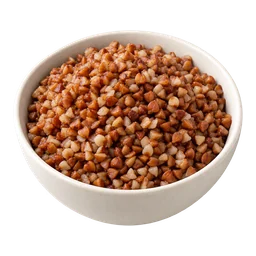
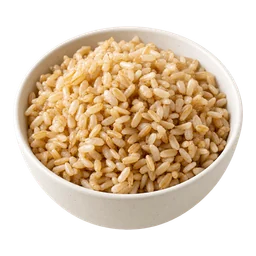
Buckwheat, dry
roasted groats · Grains, bread & pasta
Also known as kasha, buckwheat groats, soba grain
Buckwheat (dry) has 346 kcal and 12 g protein per 100 g, with 75 g carbs and 2.7 g fat. One cup (164 g) has 567 kcal and 19 g protein.
- Calories per 100 g
- 346kcal
- Protein per 100 g
- 12g
- Carbs per 100 g
- 75g
- Fat per 100 g
- 2.7g
Per 100 g.
Nutrition facts
| Per 100 g | Per cup (164 g) | |
|---|---|---|
| Calories | 346 kcal | 567 kcal |
| Protein | 12 g | 19 g |
| Carbohydrates | 75 g | 123 g |
| Sugar | 2.6 g | 4.3 g |
| Fiber | 10 g | 17 g |
| Fat | 2.7 g | 4.4 g |
| Saturated fat | 0.6 g | 1 g |
| Unsaturated fat | 1.7 g | 2.8 g |
| Sodium | 11 mg | 18 mg |
| Potassium | 320 mg | 525 mg |
| Calcium | 17 mg | 28 mg |
| Iron | 2.5 mg | 4.1 mg |
Where the calories come from
- 13%Protein
- 80%Carbs
- 7%Fat
3.4 g protein per 100 kcal
Portions
Raw or cooked
100 g dry becomes about 376 g cooked, so the numbers per 100 g differ. Use the ones for the state you weighed.
Buckwheat (cooked)92 kcal · 3.4 g protein per 100 gTrack it in Vytal, free
Log by weight, portion or photo and see it against calorie and protein targets built for you.
More grains, bread & pasta
Typical reference values from public food composition databases. Brands, recipes and preparation vary, so a packaged product’s label is the better source for that product. Where these numbers come from