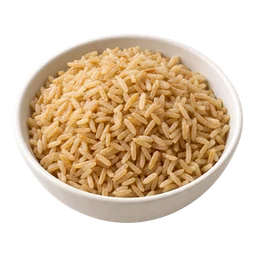
Brown rice, dry
long-grain · Grains, bread & pasta
Brown rice (dry) has 367 kcal and 7.5 g protein per 100 g, with 76 g carbs and 3.2 g fat. One cup (185 g) has 679 kcal and 14 g protein.
- Calories per 100 g
- 367kcal
- Protein per 100 g
- 7.5g
- Carbs per 100 g
- 76g
- Fat per 100 g
- 3.2g
Per 100 g.
Nutrition facts
| Per 100 g | Per cup (185 g) | |
|---|---|---|
| Calories | 367 kcal | 679 kcal |
| Protein | 7.5 g | 14 g |
| Carbohydrates | 76 g | 141 g |
| Sugar | 0.9 g | 1.7 g |
| Fiber | 3.6 g | 6.7 g |
| Fat | 3.2 g | 5.9 g |
| Saturated fat | 0.6 g | 1.1 g |
| Unsaturated fat | 2.1 g | 3.9 g |
| Sodium | 7 mg | 13 mg |
| Cholesterol | 0 mg | 0 mg |
| Potassium | 250 mg | 463 mg |
| Calcium | 9 mg | 17 mg |
| Iron | 1.3 mg | 2.4 mg |
Where the calories come from
- 8%Protein
- 84%Carbs
- 8%Fat
2 g protein per 100 kcal
Portions
Raw or cooked
100 g dry becomes about 290 g cooked, so the numbers per 100 g differ. Use the ones for the state you weighed.
Brown rice (cooked)123 kcal · 2.7 g protein per 100 gTrack it in Vytal, free
Log by weight, portion or photo and see it against calorie and protein targets built for you.
More grains, bread & pasta
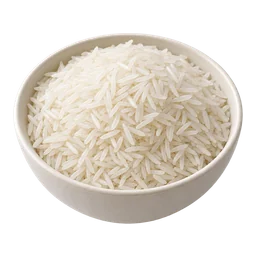
- White rice (dry)365 kcal per 100 g
- White rice (cooked)130 kcal per 100 g
- Basmati rice (dry)356 kcal per 100 g
- Basmati rice (cooked)121 kcal per 100 g
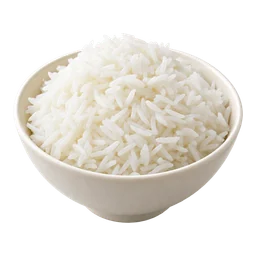
- Jasmine rice (dry)356 kcal per 100 g
- Jasmine rice (cooked)129 kcal per 100 g
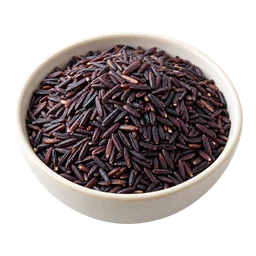
- Riceberry rice (dry)362 kcal per 100 g
- Riceberry rice (cooked)129 kcal per 100 g
Typical reference values from public food composition databases. Brands, recipes and preparation vary, so a packaged product’s label is the better source for that product. Where these numbers come from